 Free Shipping (On select items & orders)
  Track My Order


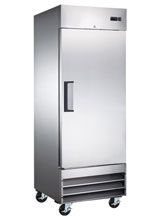
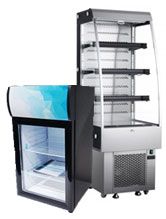
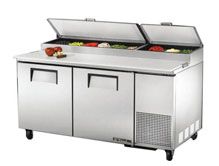
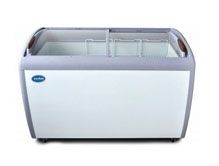
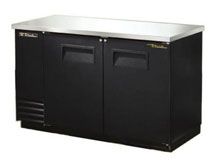
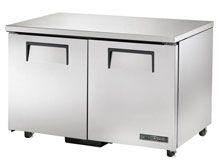
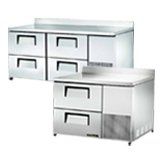
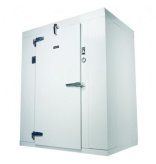

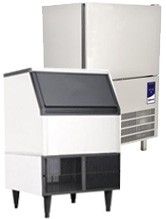
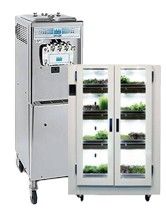

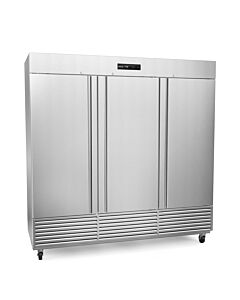
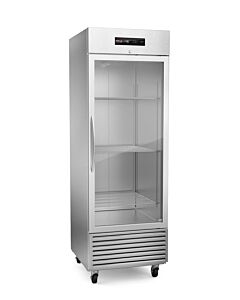
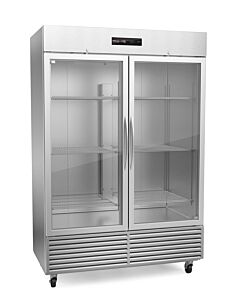
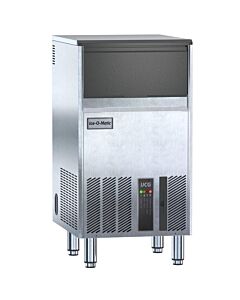
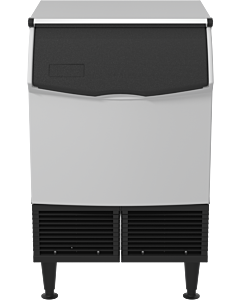
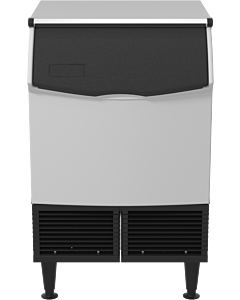
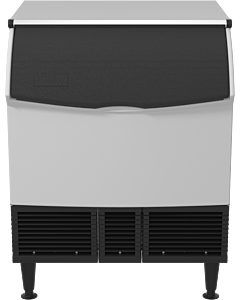
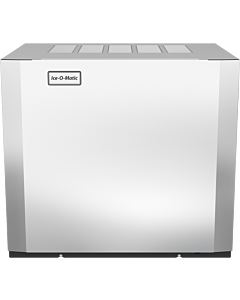
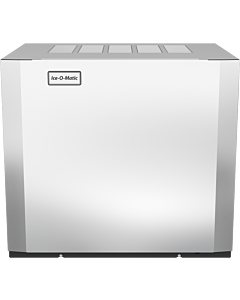
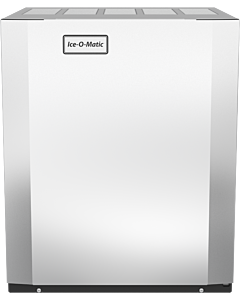
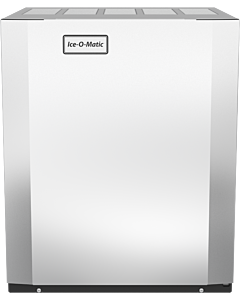
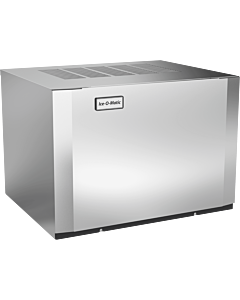
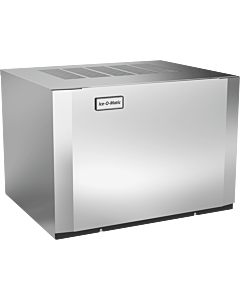
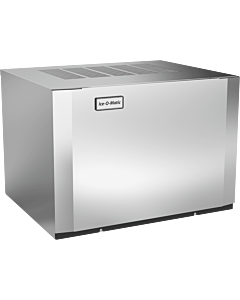
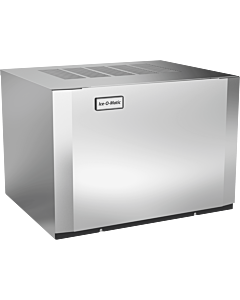
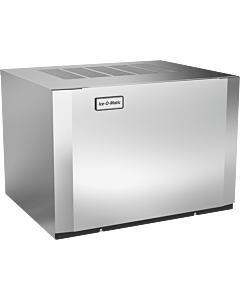
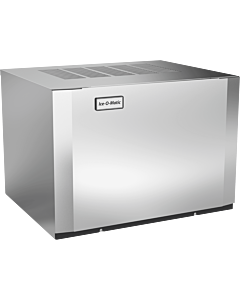
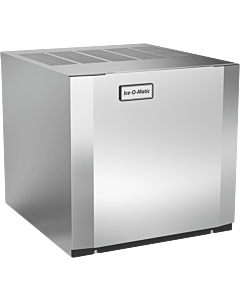
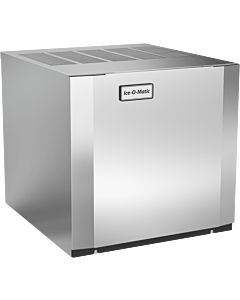
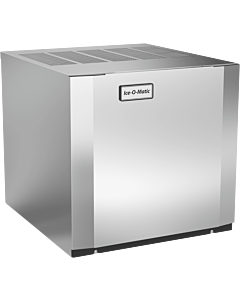
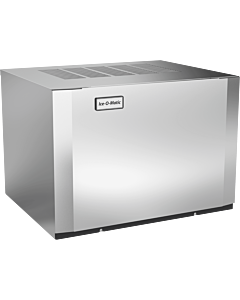
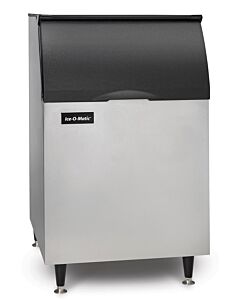
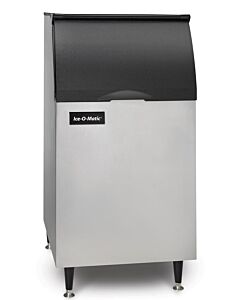
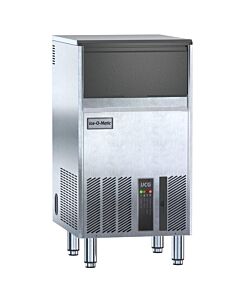
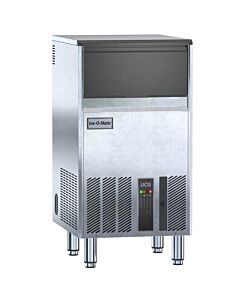
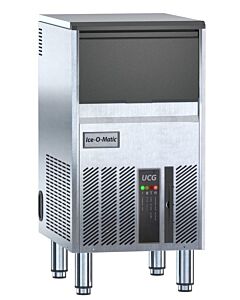
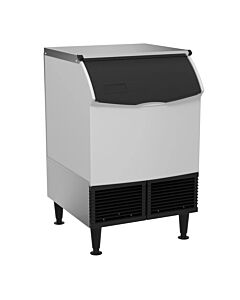
Maintaining quality standards in your restaurant is required to ensure you are serving the best food possible. To do so, you need quality equipment, including freezers and fridges, to keep items fresh. Whether you are expanding your capacity or simply require a better solution, our commercial refrigeration units can handle your needs.
Frequently Asked Questions
What is the difference between a reach-in refrigerator and a merchandiser?
A reach-in is built for back-of-house storage and fast temperature recovery with solid insulated doors. A merchandiser is for front-of-house display with glass doors and lighting, prioritizing visibility over recovery speed.
Do refrigerated prep tables meet food-safety holding requirements?
Yes when they are NSF/ANSI certified and used with covered pans and proper lid discipline. Keep lids closed during slow periods and use the cutting board only for short windows to retain cold-chain compliance.
Why do some refrigeration units require 208–230V instead of 115V?
Larger compressors and long duty cycles need more stable power for recovery and reliability. Heavy load units on 115V may run hotter and shorter-live, so manufacturers spec 208–230V to protect the compressor.
Do I need a humidity-controlled display case for bakery or grab-and-go?
If you sell cut cakes, pastries, or open foods that stale or dry, a humidity-controlled case protects texture and appearance. For packaged beverages and sealed items, standard refrigerated display is sufficient.
Is free shipping common on commercial refrigeration in the U.S.?
Many distributors offer free freight on select SKUs or order thresholds, but heavy/oversize equipment often adds lift-gate or accessorial charges. Ask for an itemized freight quote before you sign a PO.
What types of commercial refrigeration do restaurants need?
Restaurants need a combination of reach-in refrigeration, freezers, prep table refrigeration, and display cases. The exact mix depends on menu, prep volume, and whether you have walk-in cooler space already in the kitchen.
How do I choose between reach-in and undercounter commercial refrigeration?
Reach-in commercial refrigeration offers larger capacity for full-day stock and back-of-house storage. Undercounter units fit prep stations and bars, providing immediate access to ingredients during service without leaving the line.
Which brands of commercial refrigeration are reliable for daily use?
Omcan supplies a broad range of commercial refrigeration covering reach-in coolers, freezers, prep tables, and merchandising units. Their lineup is built for daily commercial use with parts widely available across the US.
Are stainless steel commercial refrigeration units worth the higher cost?
Yes for most operations. Stainless steel commercial refrigeration resists corrosion, cleans easily, and meets health code standards better than coated steel. The longer lifespan and easier maintenance justify the cost premium quickly.
Can commercial refrigeration handle both refrigeration and freezing?
Yes, with combination units. Combination Refrigerators / Freezers provide both functions in a single footprint for kitchens needing both cold storage and freezer space without taking up two separate units.
Do commercial refrigeration units need dedicated electrical circuits?
Yes. Commercial refrigeration draws significant power and needs dedicated circuits to avoid tripping breakers. Larger units need 208V or 240V service. Plan electrical capacity carefully during kitchen design.
Should commercial refrigeration be self-contained or remote condenser?
Self-contained commercial refrigeration is easier to install and works for most kitchens. Remote condenser units move the heat-generating compressor outside, reducing kitchen heat load for high-equipment-density operations.

