 Free Shipping (On select items & orders)
  Track My Order



Frequently Asked Questions
What size operations need a door-type dishwasher?
Door-type dishwasher units suit mid-size restaurants, hotels, and institutional kitchens washing 60 to 80 racks per hour. Operations larger than this typically need conveyor systems to keep up with sustained peak-service dish volume.
How does a door-type dishwasher differ from undercounter models?
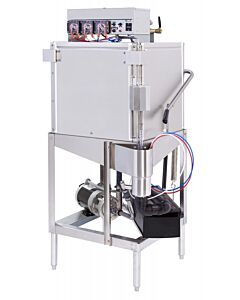
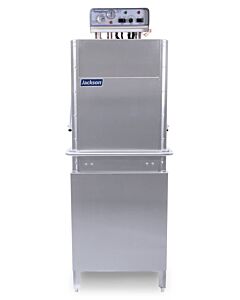
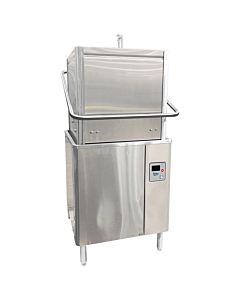
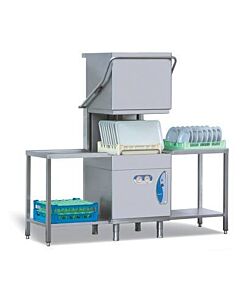
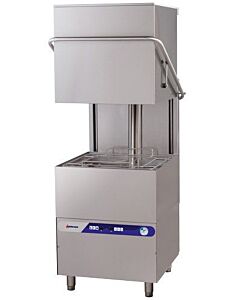
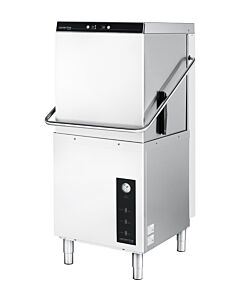
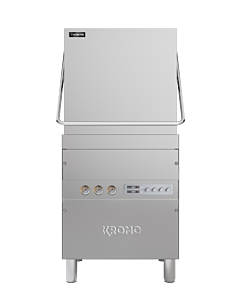
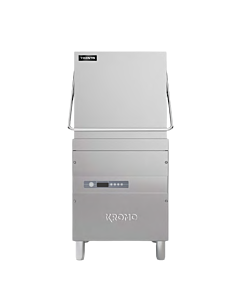
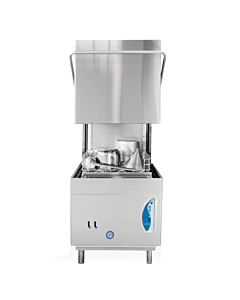
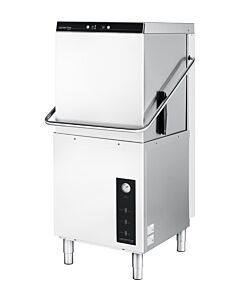

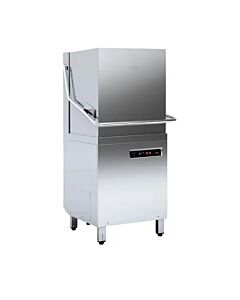
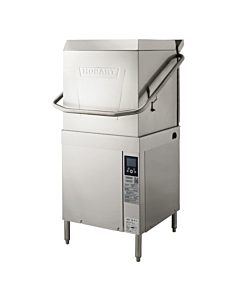
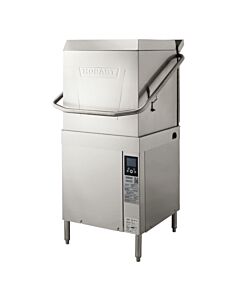
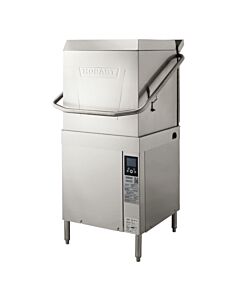
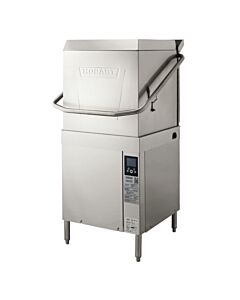
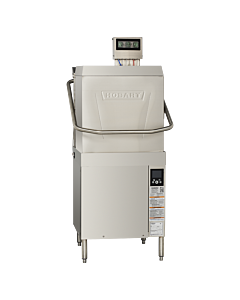
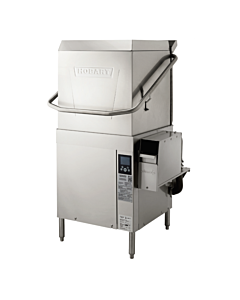
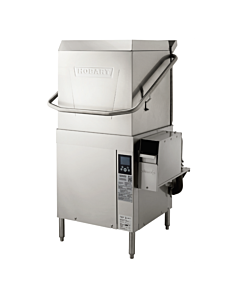
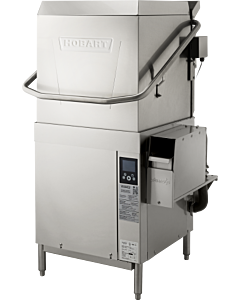
A door-type dishwasher accepts standard 20-inch racks loaded vertically with the door pulled down, processing more dishes per cycle than Undercounter Dishwashers. They sit on the floor with a pass-through opening, suiting larger kitchens.
Which fuel type for door-type dishwasher units works in most kitchens?
Electric door-type dishwasher units work in most commercial kitchens because they need only electrical hookup. Gas models require additional plumbing for the heating element but can be more cost-effective in gas-equipped facilities.
Are door-type dishwasher units efficient for daily restaurant use?
Yes. A door-type dishwasher handles steady high-volume service throughout dinner rush without bottlenecking the dish line. Their throughput and rack capacity make them the standard for most full-service restaurants.
Can a door-type dishwasher handle pots and pans?
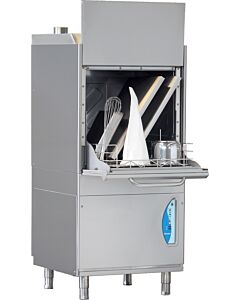
Yes. Door-type dishwasher units accept full-size sheet pans, large bowls, and most cookware. The vertical loading and tall rack capacity suit kitchens that wash both dishes and cookware on the same equipment.
Do door-type dishwasher units need three-phase power?
Some larger door-type dishwasher models with built-in boosters need three-phase power. Smaller units run on single-phase 208V or 240V. Always confirm electrical requirements during planning to avoid installation surprises.
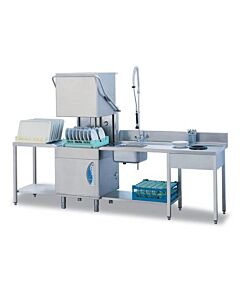
Should door-type dishwasher units be paired with prep tables?
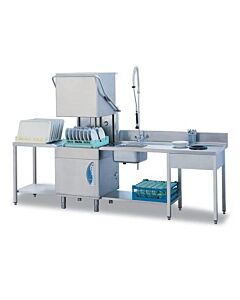
Yes for ergonomics and efficiency. Door-type dishwasher setups work best with soiled dish drop-off tables on one side and clean dish exit tables on the other, creating a smooth workflow for dish room operators.

