 Free Shipping (On select items & orders)
  Track My Order


Frequently Asked Questions
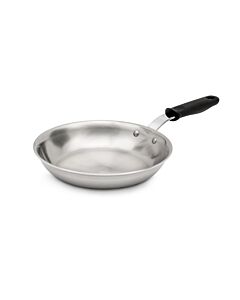
Should I choose aluminum or stainless steel fry pans for my kitchen line?
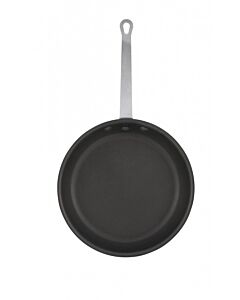
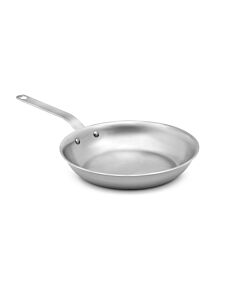
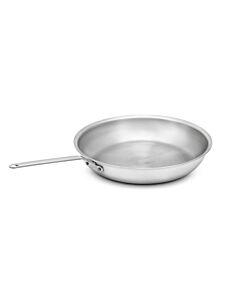
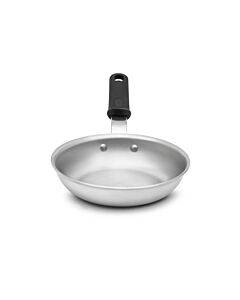
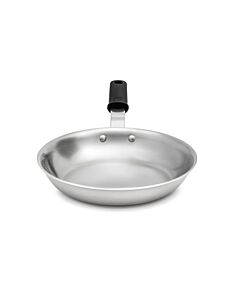
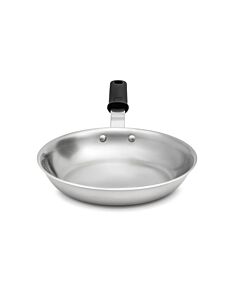
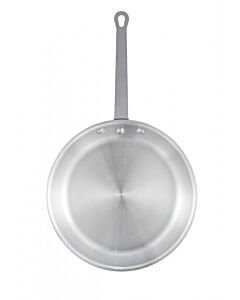
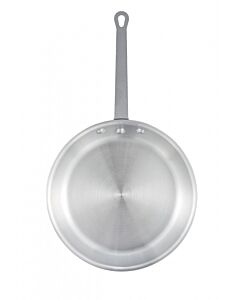
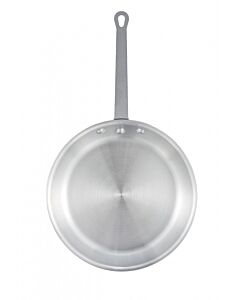
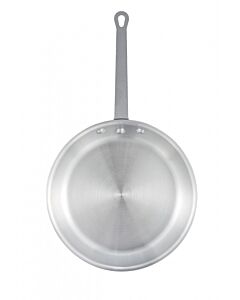
Consider your cooking style. Aluminum Fry Pans heat quickly and cost less, while Stainless Steel Fry Pans are more durable and handle acidic foods without reacting.
What sizes of fry pans does a typical commercial kitchen need?
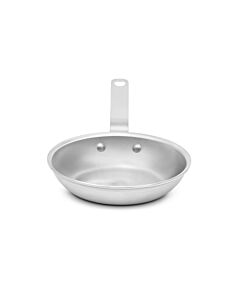
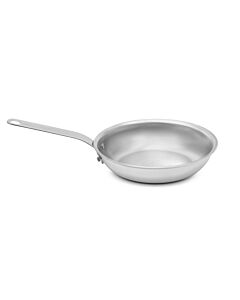
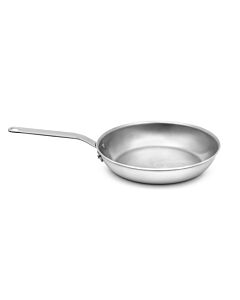
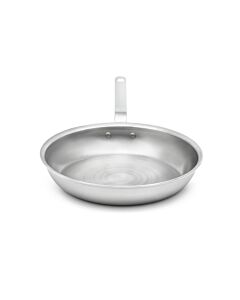
Keep multiple sizes. An 8-inch fry pan handles eggs and small portions, while 12- and 14-inch fry pans tackle larger orders and high-volume sauteing.
How do commercial fry pans differ from home kitchen pans?
Commercial fry pans use thicker gauge metal, riveted handles, and reinforced construction. Home pans are lighter and not built for the constant heat and abuse of restaurant service.
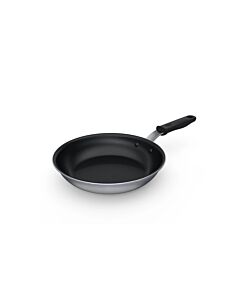
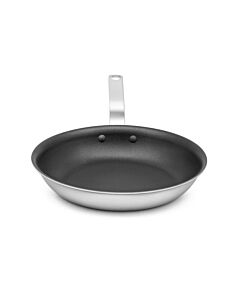
Can I get non-stick fry pans for a commercial kitchen?
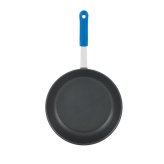
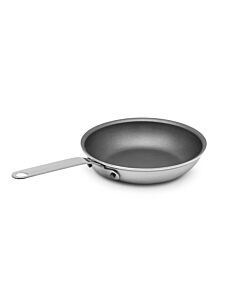
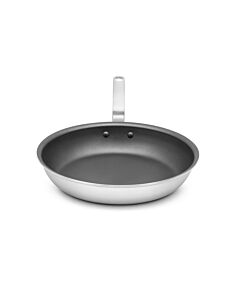
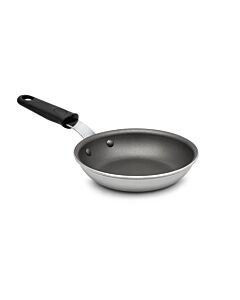
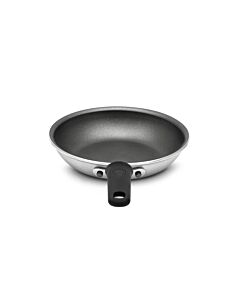
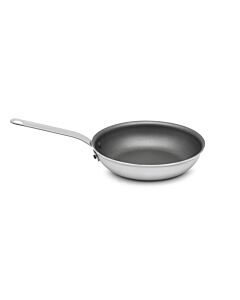
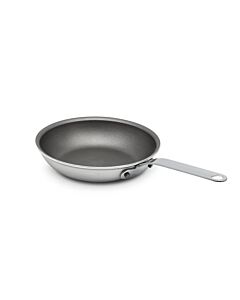
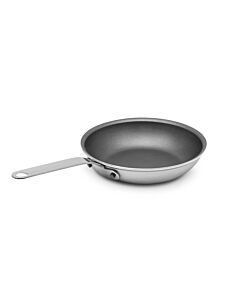
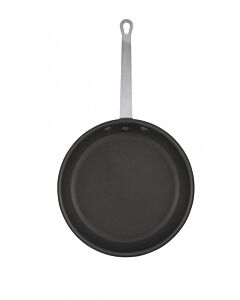
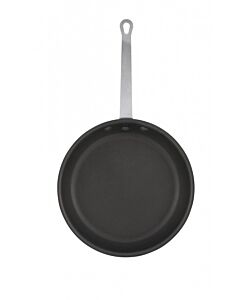
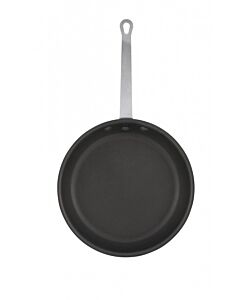
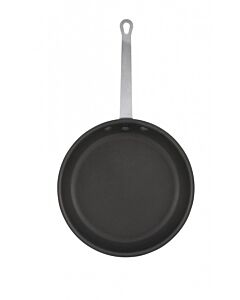
Yes. Non-stick fry pans with Excalibur or similar commercial coatings reduce oil use and make cleanup faster. They work well for eggs, delicate fish, and items prone to sticking.
Which fry pan material heats the most evenly?
Aluminum fry pans conduct heat fastest and most evenly. Stainless steel fry pans with aluminum-clad bases also distribute heat well while adding the durability of steel.
Are fry pans from Zanduco NSF-listed for commercial use?
Yes. Commercial fry pans from brands like Omcan carry NSF listings, meeting the sanitation and safety standards required in professional kitchens.
Do fry pans come with helper handles for larger sizes?
Yes. Larger fry pans, typically 12 inches and above, include a helper handle opposite the main handle for safe lifting and maneuvering when the pan is fully loaded.

