 Free Shipping (On select items & orders)
  Track My Order


Frequently Asked Questions
What types of Sifters are available?
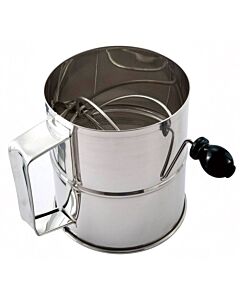
The two main styles are hand-crank rotary Sifters and fine-mesh sieves. Crank models aerate and break up lumps with a turn, while a sieve lets you tap or shake flour through. Pick by how much you sift at once.
Which Sifters suit high-volume baking?
A larger-capacity crank model moves more flour per pass, which suits busy bakeries. Fine-mesh Sifters give finer control for finishing and dusting. Match the size to your batch and how often you sift.
Why use Sifters before baking?
Sifting aerates flour, removes lumps, and blends dry ingredients for a lighter, more even crumb. That consistency is why bakers keep Sifters on the bench. It also catches any debris before it hits the bowl.
How do I choose the right capacity in Sifters?
Size it to your typical batch: a few cups for small jobs, more for production baking. Oversized Sifters slow small tasks, while undersized ones mean refilling mid-mix. Match capacity to your busiest recipe.
Are stainless steel Sifters better than other materials?
For commercial use, yes. Stainless resists rust, takes daily washing, and won't bend like cheaper metal. Stainless Sifters cost a bit more but last, and they pair well with accurate Measuring Spoons & Cups.
Do Sifters have measurement markings?
Many crank models show cup markings inside, so you can measure and sift in one step. Marked Sifters save a separate measuring cup for dry goods. Check the markings if you batch by volume.
Can Sifters be used for powdered sugar and cocoa too?
Easily. A fine mesh dusts powdered sugar, cocoa, and spices for finishing as well as sifting flour. That makes Sifters a year-round tool, useful alongside the rest of your Bakery Supplies. Keep a smaller one just for dusting.

