 Free Shipping (On select items & orders)
  Track My Order


Frequently Asked Questions
What material should I choose for fry pans in a high-volume commercial kitchen?
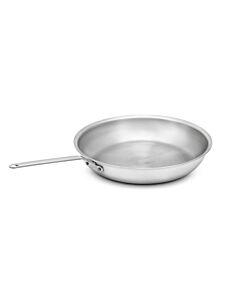
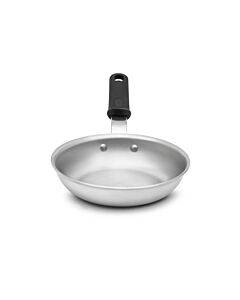
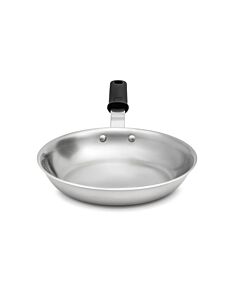
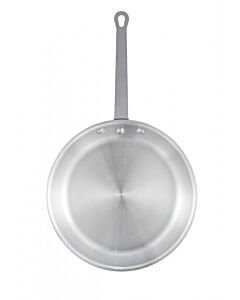
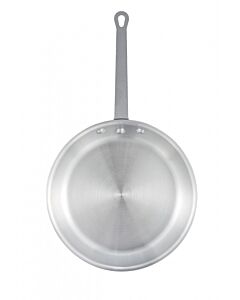
It depends on your cooktop and cooking style. Aluminum fry pans heat quickly and are lightweight, while stainless steel fry pans are more durable and work on induction.
How many sizes of fry pans should a restaurant kitchen keep in stock?
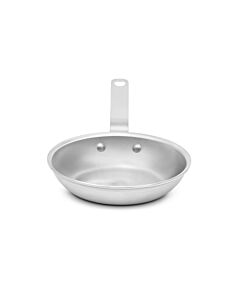
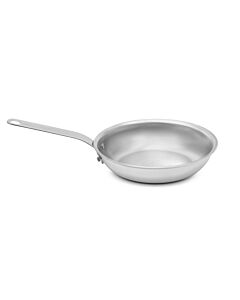
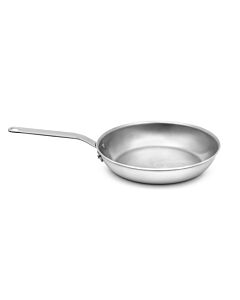
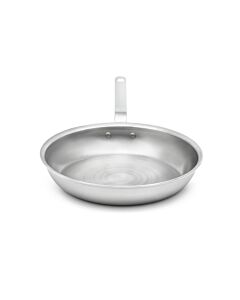
Most kitchens keep fry pans in at least three sizes, such as 8", 10", and 12" or 14". This range covers everything from single portions to larger batch cooking.
Should I consider non-stick or natural-finish fry pans for my menu?
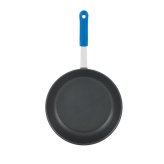
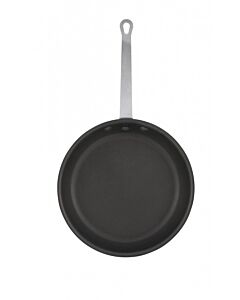
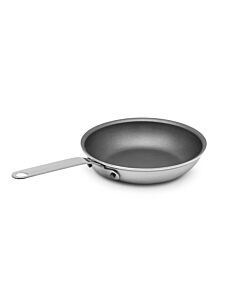
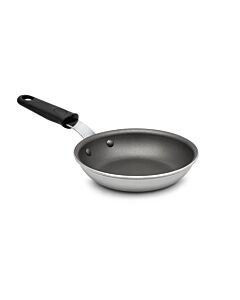
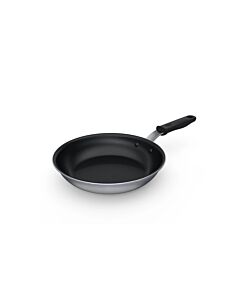
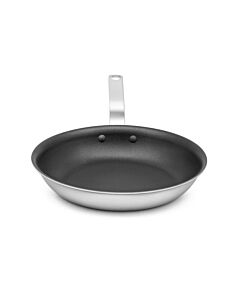
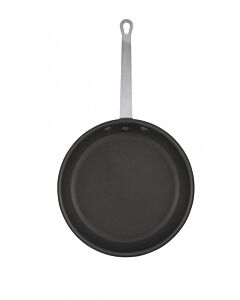
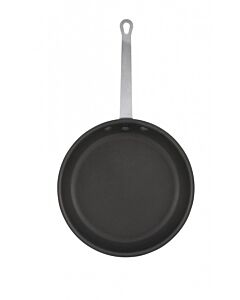
Non-stick fry pans are ideal for eggs, crepes, and delicate proteins. Natural-finish fry pans from carbon steel or cast iron build a seasoned surface over time that performs similarly without synthetic coatings.
Can fry pans from Zanduco be used on induction cooktops?
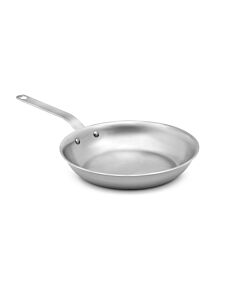
Stainless steel and cast iron fry pans work on induction. Aluminum fry pans do not, unless specified with an induction-compatible base.
Which fry pans are best for high-heat searing and browning?
Carbon steel fry pans and cast iron fry pans handle the highest heat and develop natural non-stick properties with seasoning. Both types of fry pans are excellent for searing proteins.
Do fry pans at Zanduco feature riveted handles for secure grip?
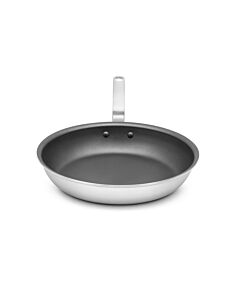
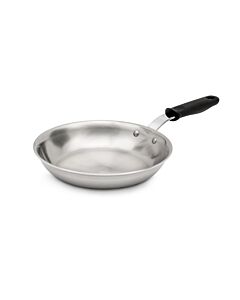
Yes. Commercial fry pans from Omcan and Winco use riveted hollow handles that provide a secure, cool grip during heavy use.
Are fry pans with help handles easier to manage for large portioning?
Yes. Larger fry pans with a helper handle opposite the main handle give better control when flipping, plating, or transferring food. This feature is common on 12" and 14" fry pans.

